Sports Scholarships
The most successful sports scholarship agency in the world.
We've spent over 21 years finding the perfect sporting scholarships for each and every student, while building relationships with many of America's top universities and colleges - over 2,900 and growing.
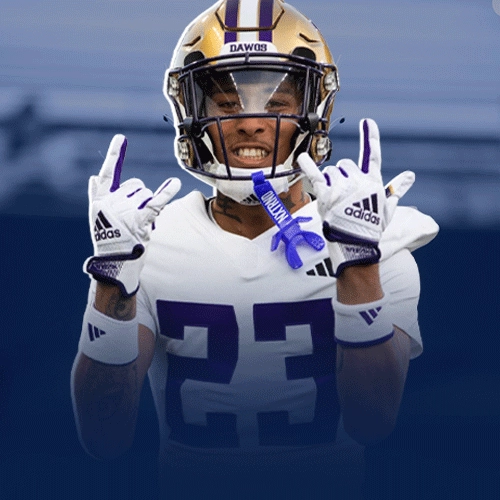
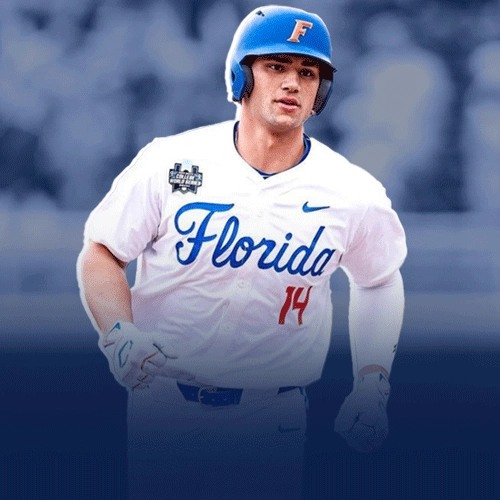
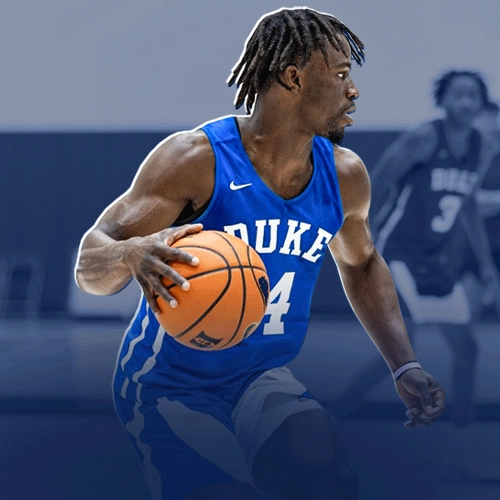
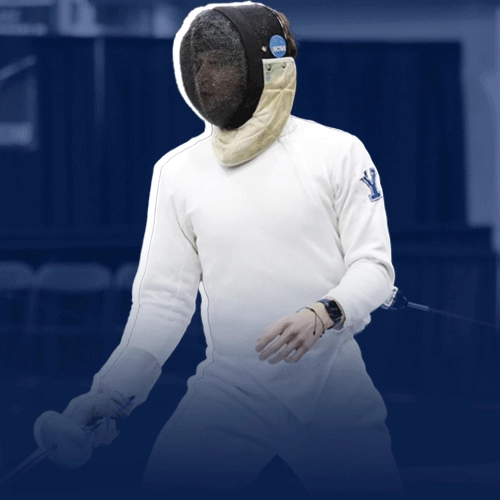
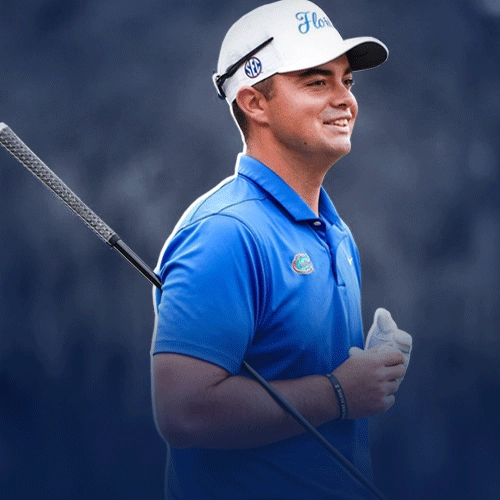
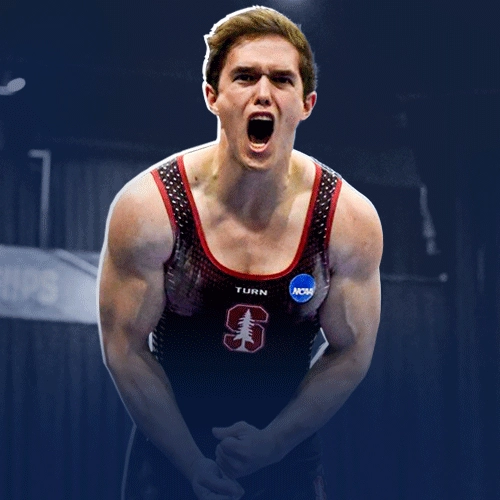
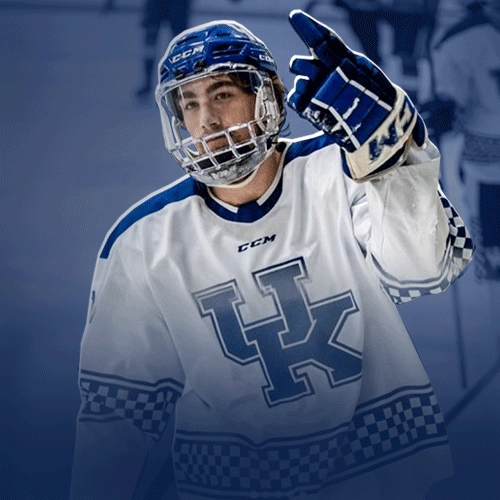
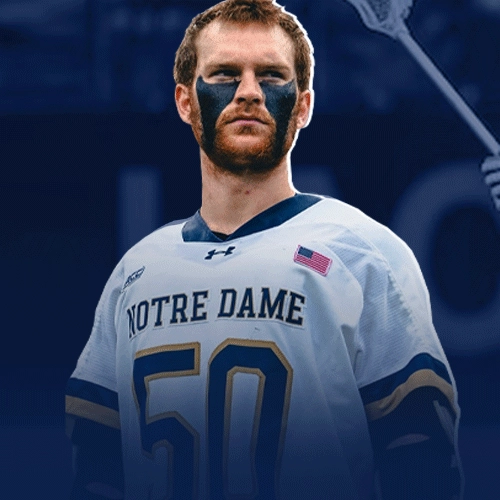
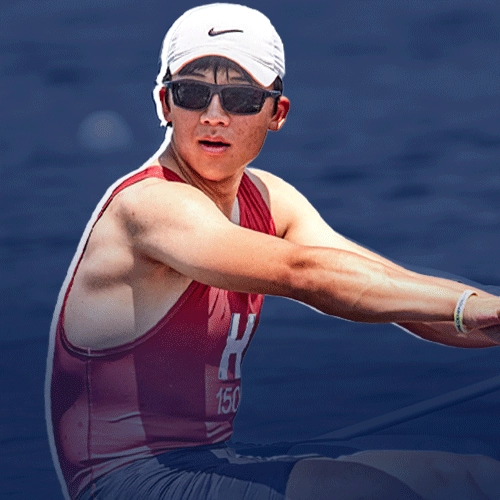
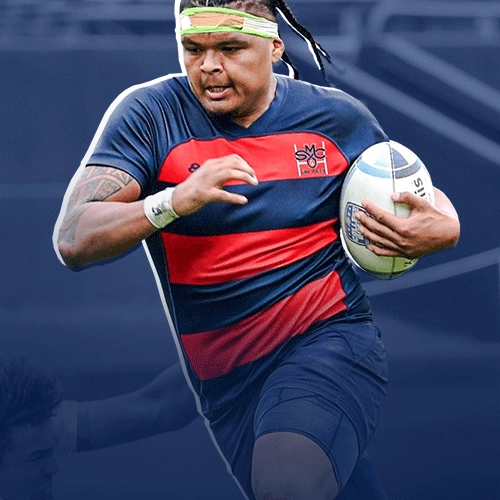

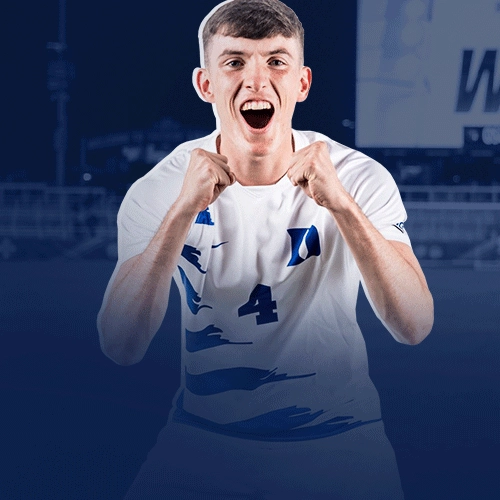

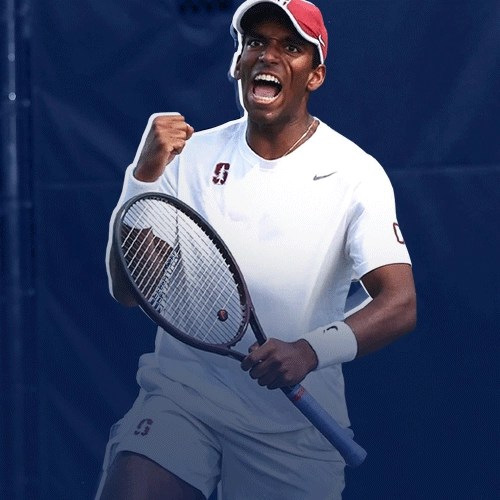
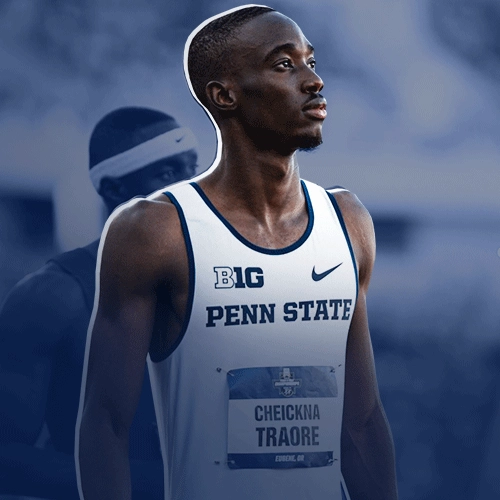
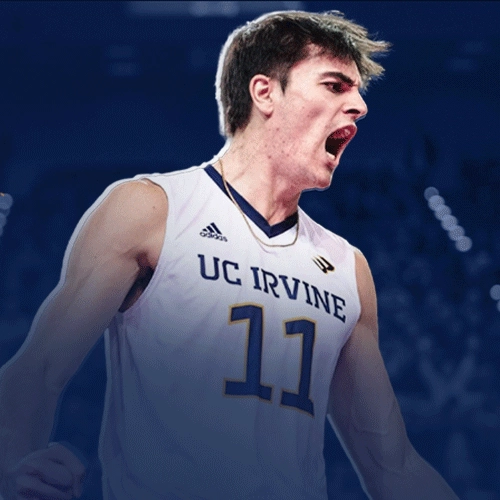
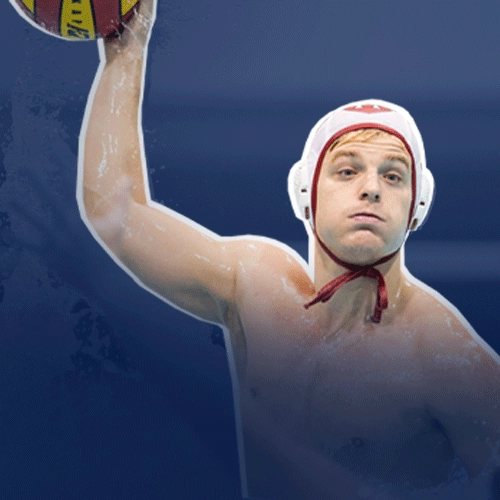
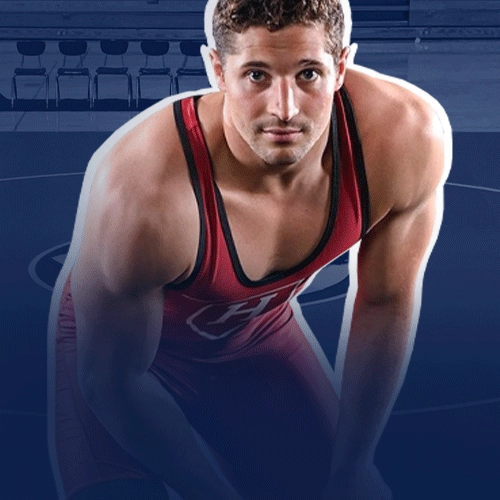
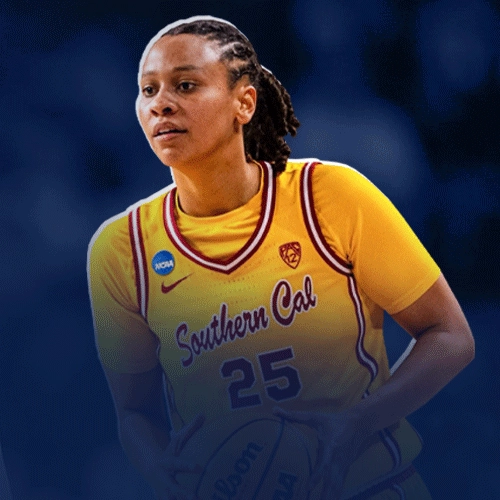
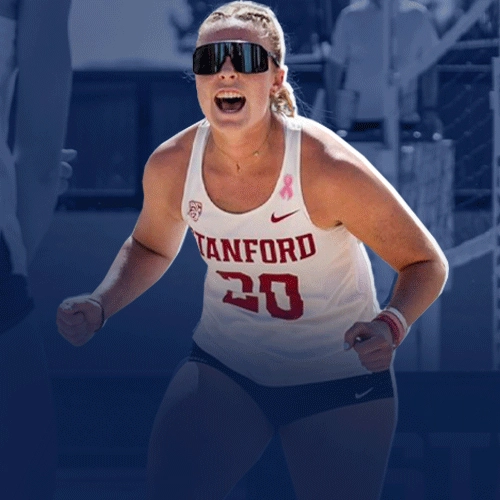
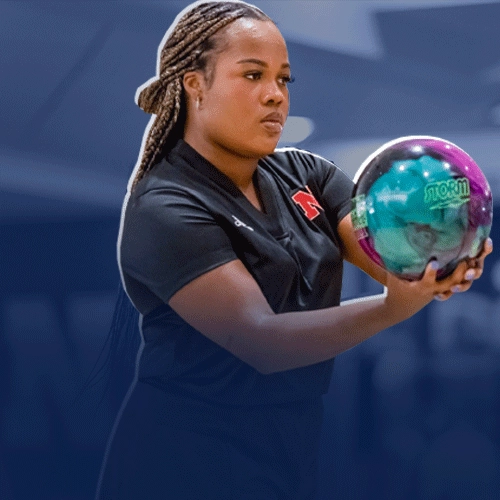

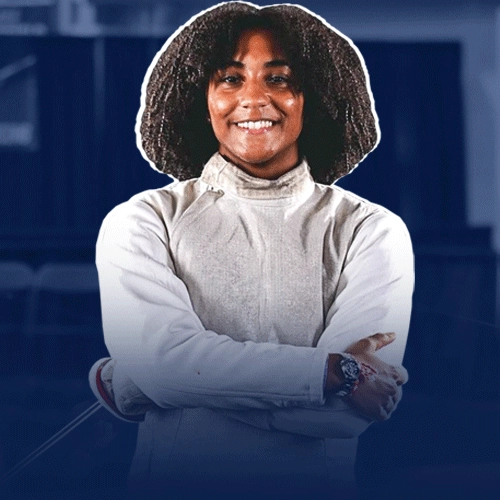



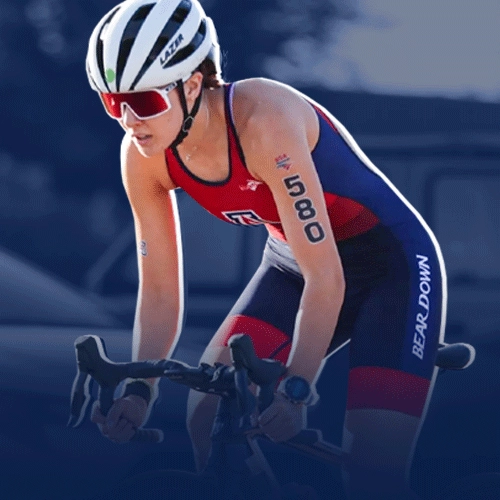
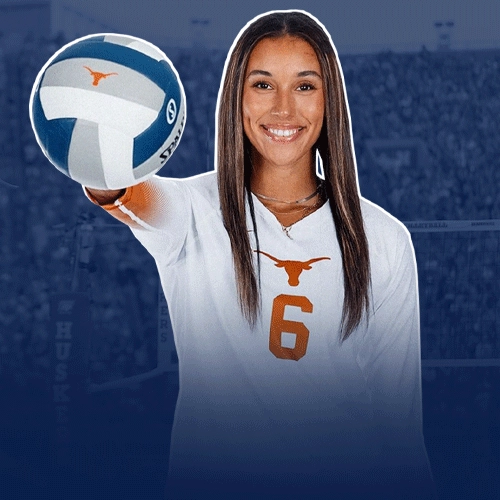
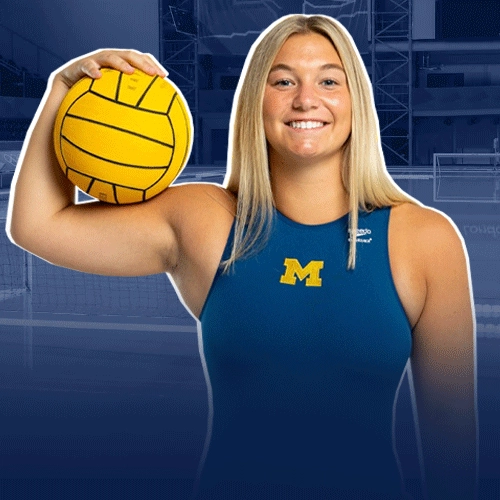
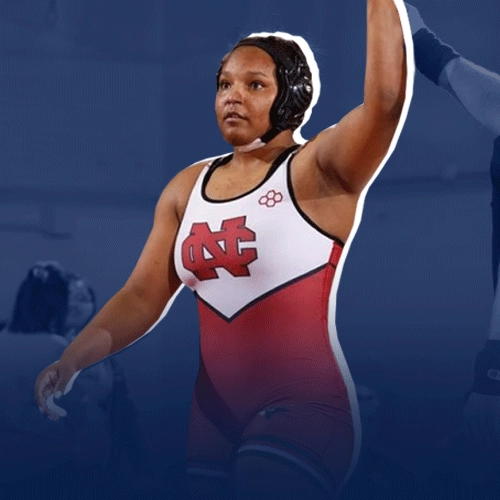
Academic and Sporting Preparation
Targeting University Programmes
Connecting with College Coaches
Ongoing Pastoral Care
To date, we've sent over 40,000 young men and women to the US, Securing over $2.4 billion in scholarship awards and finding a place for every single qualifying applicant.
Every year, thousands of student-athletes and their families come face-to-face with the difficult challenge of securing a scholarship to an American university. What they often discover is that navigating university options is stressful enough, and adding sports into the mix brings it to a whole new level.
Even for those who do a little recruiting homework, they are often left with more questions, very few simple answers and an uneasy feeling they are somehow falling behind.
At FirstPoint, we understand what you’re going through. Many of us have experienced first-hand what the scholarship recruiting experience is like—as players and as coaches. And that experience, combined with our advanced online technology, expansive college coach network and proven recruiting methods, helps thousands of student-athletes and their families take control of their recruiting experience.
Whether you are an aspiring high school student or ambitious nationally ranked athlete, FirstPoint helps take the stress of uncertainty out of your scholarship journey by putting a plan in place to help you find your best university options in the USA.
HOW TO GET A SPORTS Scholarship
Testimonials
Honestly, it was the best decision of my life. I am so happy I took that leap of faith. FirstPoint USA were amazing at guiding me through the whole process of becoming a student athlete in the states.
Zack Beazley
From the start of the process through to the end, FirstPoint USA’s service was first class and I’m so grateful for the work they did in securing me a place at Wisconsin, one of the leading teams in the country. The team are so knowledgeable, and the Talent Management team did a brilliant job in connecting me with some great coaches. They watched me play, they’re very proactive and it felt very personalised to what I needed.
Julian Kuhr
In a very short space of time he’s had his first offer of interest. FirstPoint USA have been brilliant - no waffle, straight talking about the reality of what happens and quick to act when we’ve had any queries.
Hilary Bolton
Live, study and play with top US Institutions