Your Soccer SCHOLARSHIP JOURNEY Starts Here.
We help aspiring players get recruited on college soccer scholarships
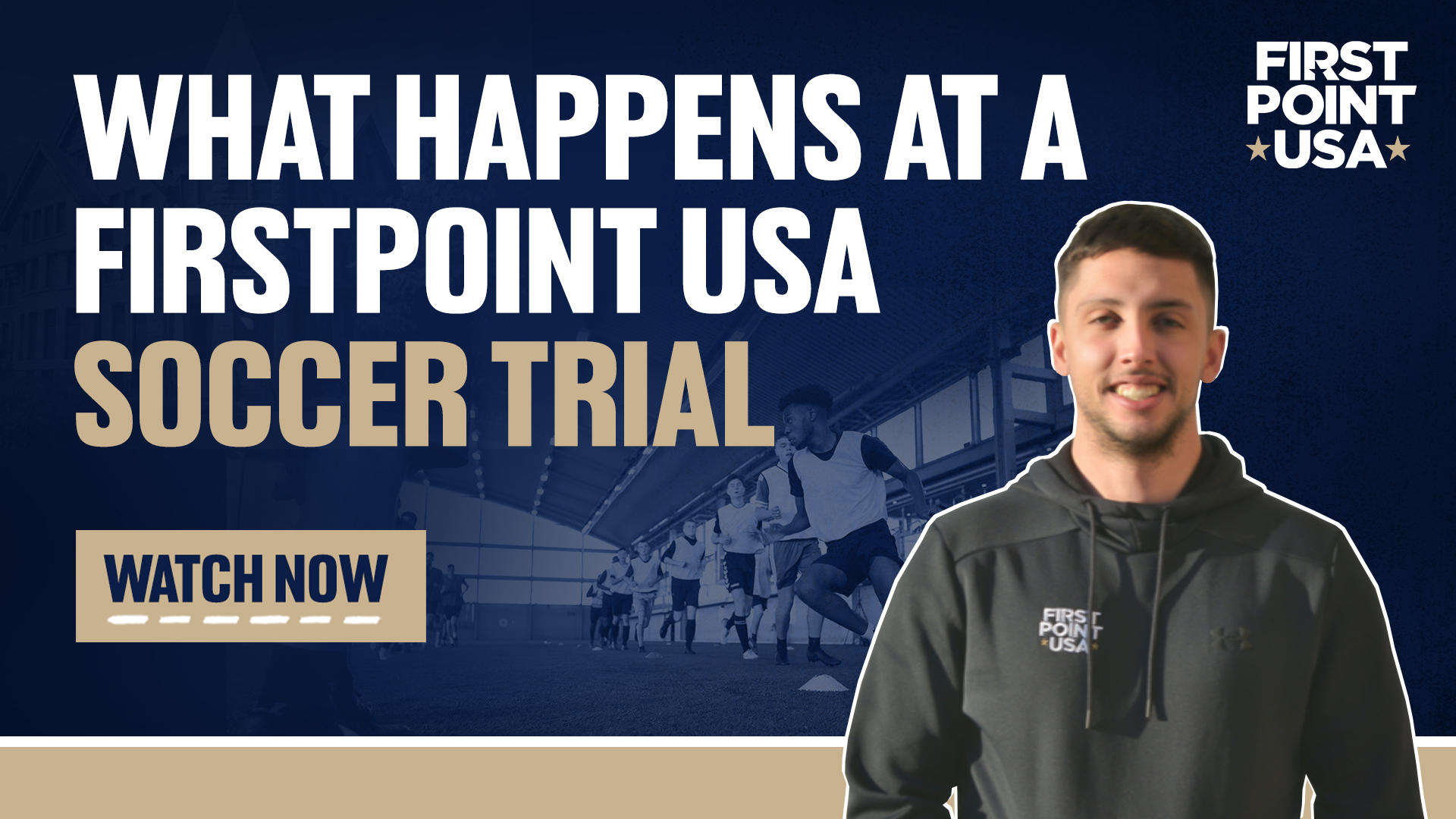
We run College ID trials at venues across the world offering you the opportunity to be assessed by our team of coaches, or you can send us your match footage
If you are successful at our trial or your footage is passed by our assessment team, you’ll be invited to an interview (with a parent or guardian) to determine your eligibility to become a FirstPoint athlete
Your dedicated college placement manager will guide you through the full college recruitment journey, targeting a shortlist of best fit colleges before making your final decision
The final stage! We’ll help you dot the I’s and cross the T’s to secure your deal and set you on your way to a life-changing college experience
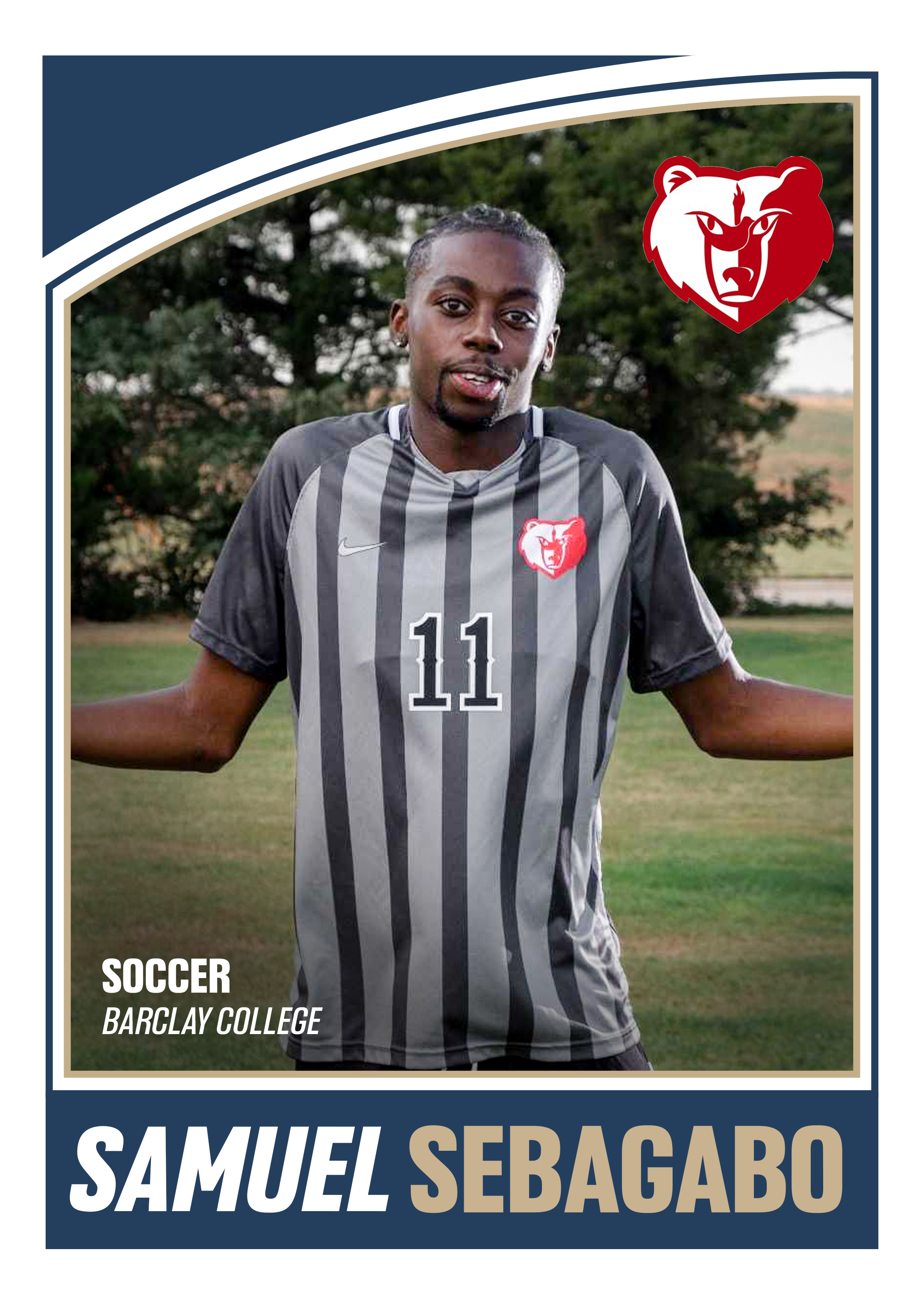
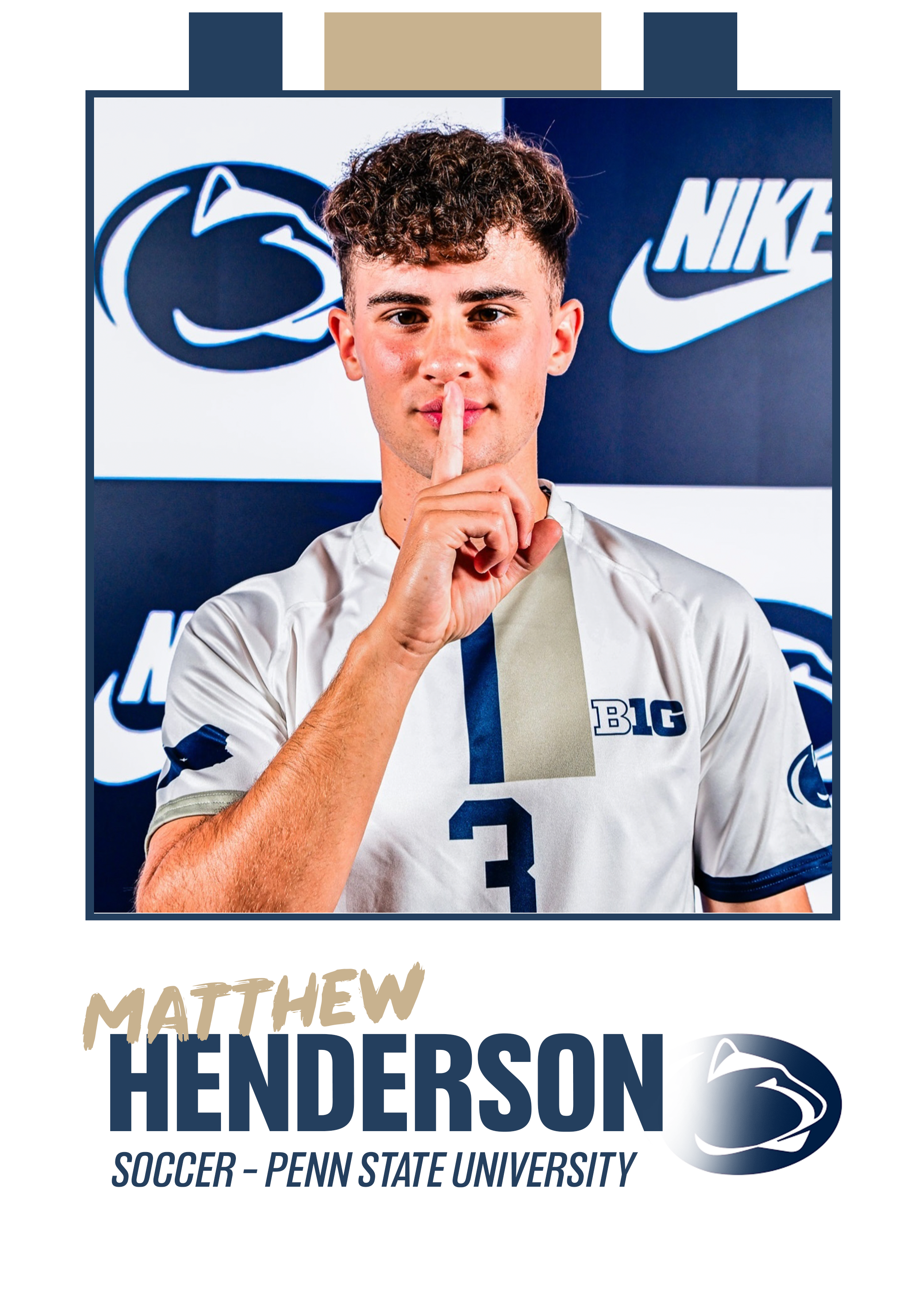
I’m loving everything about being here. The football, the school, and I’ve met some brilliant people.
Matthew Henderson
The college facilities are so impressive. It’s like Premier League team facilities.
Maisie Baker
We are particularly grateful for the resources and tools FirstPoint provided, which not only enhanced his visibility but also built his confidence as a player.
Logan LaMaina’s Father
In 2024, approximately 1,410 colleges sponsored men’s soccer teams. Here’s how the numbers shake out for the major division levels:
Many families ask how much the average scholarship is for college men’s soccer. However, that’s pretty difficult to pinpoint. Men’s soccer is an equivalency sport, meaning that coaches are not required to give out full scholarships to their athletes and can instead break them up however they want. So, for a D1 team with 29 roster spots, a coach could give out nine full-ride scholarships and one scholarship that covers 90% of the cost of tuition. Or, the coach can break up the 9.9 scholarships evenly among the 29 athletes.
Additionally, the cost of tuition at each college and university varies. An in-state student at a public university could pay close to $10,000 a year, while an out-of-state student at a private university could pay $60,000 a year. Trying to find an average scholarship amount doesn’t account for those differences in tuition. Furthermore, not all athletes receive scholarships all four years of their college men’s soccer career. Instead of trying to determine what the average scholarship amount is, we recommend families first figure out how much they are willing to pay for four years of college. Then, while going through the recruiting process, student-athletes can compare offers based on their family’s expected contribution—the amount they will pay out of pocket after factoring in all financial aid.

Only the top soccer players make it to the college level. About 7.9% of U.S. high school men’s soccer players ended up competing in college across the Division 1, Division 2, Division 3, NAIA and junior college levels. Only about 1.1% of high school men’s soccer players went on to compete at the NCAA Division 1 level.
During the 2016–2017 school year, there were about 450,234 US high school men’s soccer players and about 39,888 college men’s soccer players across all divisions. Of these college athletes, a total of 12,531 soccer players were on D1 and D2 rosters. About 2,664 of them were international athletes, accounting for 21.3% of men’s college soccer roster spots at the D1 and D2 level.
Colleges at the NCAA D1, NCAA D2, NAIA and Junior College levels can all offer scholarships. How many scholarships are available at any given school depends on how many scholarships the coach has committed, whether they are a fully funded program, how the program likes to use their scholarship money and several other factors. Read below to learn more about the opportunities at each division level.
Athletic scholarships for D1 men’s soccer are the most difficult to obtain, as the level of play and academics is very high. D1 men’s soccer programs can give out a maximum of 9.9 scholarships a year and these can be a mix of full-ride scholarships and partial scholarships. Bear in mind that 9.9 represents the maximum number of scholarships, but some D1 men’s soccer programs might have fewer scholarships available due to budget limits. Only about 1.1% of US high school men’s soccer players go on to compete at the NCAA Division 1 level.
D2 schools can and do offer full-ride scholarships. However, because men’s soccer is deemed an equivalency sport by the NCAA, schools are not required to give out full rides. With a max of nine scholarships per team, D2 schools can choose to offer nine full-ride scholarships or split up the scholarships among the roster, which is an average of 31 players. It’s up to the coach to determine how much money they want to give to each athlete on the team.
While D3 schools don’t offer athletic scholarships, most D3 athletes do receive other forms of financial aid. Student-athletes interested in competing at a D3 school shouldn’t let the lack of athletic scholarships deter them. Those who have good grades and test scores have a good chance at qualifying for an academic scholarship. Student-athletes who have been involved in extracurricular activities and their community might be able to find a merit-based scholarship. Families can also take advantage of need-based financial aid, which is awarded based on factors like household income.
The bottom line is that athletic scholarships aren’t the only way to pay for college. There are many other forms of scholarships out there, and if a D3 program wants someone on their team, they can be extremely helpful in finding scholarship money from other sources.
NAIA schools offer a similar level of competition to D2 schools, and they can offer a maximum of 12 scholarships. NAIA schools can choose to offer 12 full-ride scholarships or split up the scholarships among the athletes on their roster, which is an average of 30 players. It’s up to the coach to determine how much money they want to give to each athlete on the team. However, NAIA schools have fewer recruiting rules than the NCAA, and NAIA coaches can contact student-athletes anytime during high school. This can make it a little easier to snag a scholarship for some student-athletes.
With an average roster size of 19 players and a maximum of 18 scholarships allocated per team, junior colleges offer a very good chance of securing a full-ride scholarship. These two-year colleges can be a stepping stone for student-athletes who are looking to transfer between schools or move up into a higher division, all while saving money on tuition and related costs.
Our USA Scholarship Trials are back, find your closest event and register today
Can’t Attend a Trial? Create a Free Profile
If you can’t make the trial, there is the option to create your free athlete profile and give our football scouting team everything they need to evaluate you.
Upload your match footage, rugby CV and academic information so we can accurately assess your potential and connect you with the right opportunities.
If you don’t have match footage yet, creating a profile ensures you’ll be the first to hear about more upcoming trial dates you can register for.